If you already have a 3D model, use the calculator below to get an initial price estimate and submit your files for printing.
If you have an idea, a sketch or an existing object that you would like to turn into a 3D model and then a physical print, get in touch at druk3d@pawelkowalski.com. I’ll be happy to help you prepare the 3D file, choose the right material and produce the print.
3D Printing Quote
Upload a 3D model to preview it and check its basic dimensions. The file is analysed locally in your browser.
Your 3D model
STL, OBJ, 3MF, 3DS, STEP and STP · browser-based analysisModel basket
0 modelsYour basket is empty. Add your first quotation.
You can add up to 20 configurations. Each model file can be up to 25 MB, with a combined file size limit of 50 MB.
Confirm the quotation and send your enquiry
If you would like to order the print, provide your contact details. We will review the model and order specifications before preparing the final quotation.
Thank you! Your enquiry has been sent.
You will receive a confirmation email at the address provided. We will get back to you after reviewing the models.Calculator User Guide
General Information
The calculator provides an estimated cost of printing a part, including any potential post-processing. It allows you to quickly check whether the estimated cost and lead time are acceptable. The entire calculation is performed locally in your browser.
Step-by-step calculation
- Upload your 3D model to the calculator and check that the dimensions displayed on the right are correct.
- Select the intended use of the finished print.
The calculator uses print profiles that I have selected based on my experience, aiming to best meet the requirements of each intended application. These profiles correspond to the print profiles used in the slicer. - Select any additional requirements, if needed. These options usually involve an additional charge, which is included in the calculation. If you require any other processing or preparation work, please describe it in the comments when submitting your file for verification and a final quotation.
- Specify the material, colour, quantity and layer height if you have any particular requirements.
The materials available for selection are in stock and ready to use. If you need a material that is not on the list, that’s no problem. I can source additional materials within 1–3 days and prepare your print, provided the material is compatible with one of my 3D printers. - In the final section, select the characteristics that best describe your model. This will help make the calculation more accurate.
- Once you receive the estimate, you can add it to your basket and start another calculation if you need to print several different parts or batches of the same part. You can edit your calculations at any time.
- In the next step, submit your contact details and file using the form so that I can verify the calculation and provide a final quotation. The file will be checked in the slicer. Please include all relevant comments, descriptions, drawings and photographs in the form to help me understand your requirements.
If you need a part designed from scratch using CAD modelling, an existing part reproduced, modified or improved, please get in touch directly. I’ll be happy to help.
The calculator estimates the cost of a 3D print based on the model’s volume, print quality, material used, estimated printing time, post-processing, and other factors. File preparation for printing is charged only once when the same parts are repeated.
Print Purpose
The choice of material and printing parameters depends primarily on the intended function of the finished part. The calculator uses four different profiles, each defined by the intended use of the finished part:
Decorative Model
A print where surface quality, accurate reproduction of details and the overall appearance of the finished object are the main priorities. Mechanical strength is generally of secondary importance.
Commonly used materials:
- PLA and its special-effect variants,
- PLA Matte, Silk, Metallic and Glow in the Dark,
- PET-G – for selected applications,
- PET-G CF – the addition of carbon fibres significantly reduces the visibility of layer lines.
Quick Draft / Prototype
A print intended for quickly checking shape, proportions, dimensions and how individual components fit together. Short production time and low cost are the main priorities, rather than a perfect surface finish.
Commonly used materials:
- PLA
- PET-G – where greater mechanical resistance is required.
This profile allows for greater layer heights and simplified settings to reduce printing time.
Functional Part
A component intended for everyday use, subject to typical mechanical loads, impacts and contact with other objects. A balance between strength, flexibility and print quality is important.
Commonly used materials:
- PLA Tough+,
- PET-G,
- ABS,
- ASA – particularly for outdoor applications
Technical Part
A component designed to perform a specific structural, assembly or mechanical function. It requires careful selection of the material, geometry, print orientation and process parameters.
Commonly used materials:
- PET-G CF,
- ABS, ABS-GF i ABS-CF,
- ASA,
- PA-6 i PA-6 CF,
- PA,
- PPS-CF – for specialist applications.
For parts that are safety-critical or subject to high loads, an individual assessment of the design and operating conditions is essential.
Post-Processing
A 3D print does not have to be a finished product as soon as it is removed from the build plate. Depending on the material and intended application, additional surface finishing, joining of components or assembly of additional parts may be required.
Sanding and Surface Finishing
Printed surfaces can be mechanically finished using abrasive paper and manual or power tools. Sanding helps remove support marks, smooth edges and reduce the visibility of layer lines.
The surface can also be prepared for further treatment, such as varnishing, painting or the application of finishing coatings.
I select the finishing method based on your requirements or suggest suitable solutions of my own.
Bonding and joining larger models
Models that exceed the printer’s build volume can be split into several parts and then joined together to create a single, larger object.
Depending on the material and design, the following methods can be used:
- cyanoacrylate (CA) adhesives,
- methacrylate adhesives,
- adhesives designed for specific types of plastic,
- mechanical connections, such as screws, dowels or alignment features.
I select the joining method based on the intended use of the part or your specific requirements.
Acetone Vapour Smoothing
ABS can be chemically smoothed using acetone. This process partially dissolves the outer layer of the plastic, making layer lines less visible and giving the surface a more uniform appearance.
This method can also be used with some types of ASA, although the results depend on the filament composition.
Smoothing may affect the sharpness of edges, the dimensions of holes and fine model details.
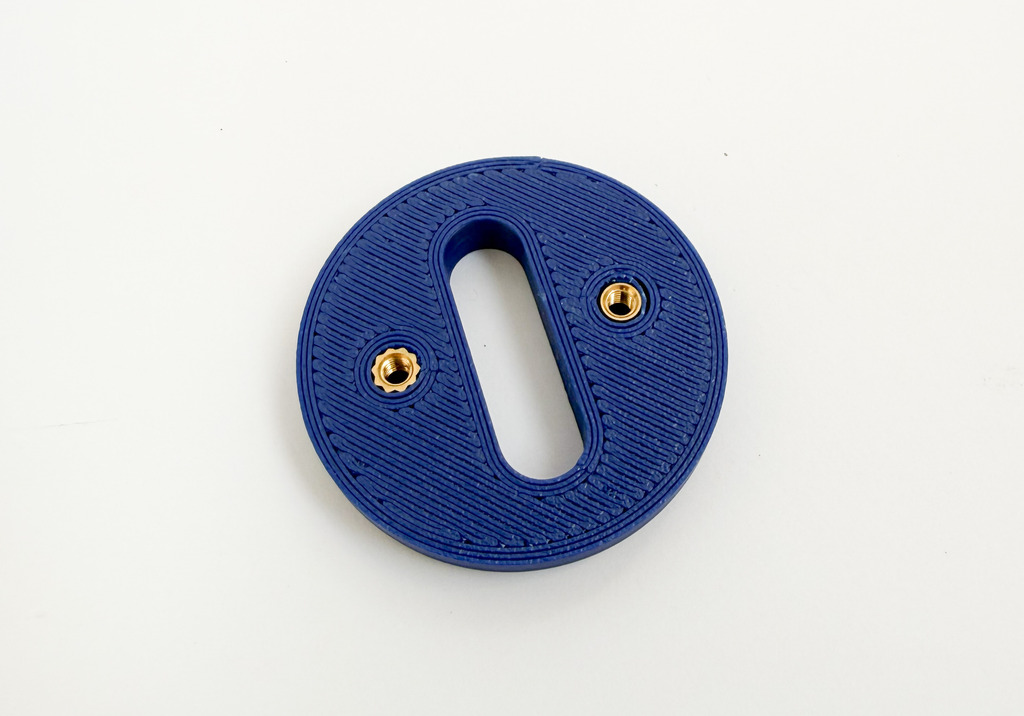
Installing Threaded Inserts
For parts that need to be assembled and disassembled repeatedly, metal threaded inserts can be used, most commonly made of brass.
The inserts are installed in pre-prepared holes using a soldering iron fitted with a suitable tip. The heat locally softens the plastic around the insert, allowing it to become securely embedded in the material.
This solution provides durable and repeatable screw connections that are significantly more resistant to repeated assembly and disassembly than threads formed directly in the plastic.
Please specify the insert dimensions and the holes in which they are to be installed in the order notes. You can also attach a sketch.
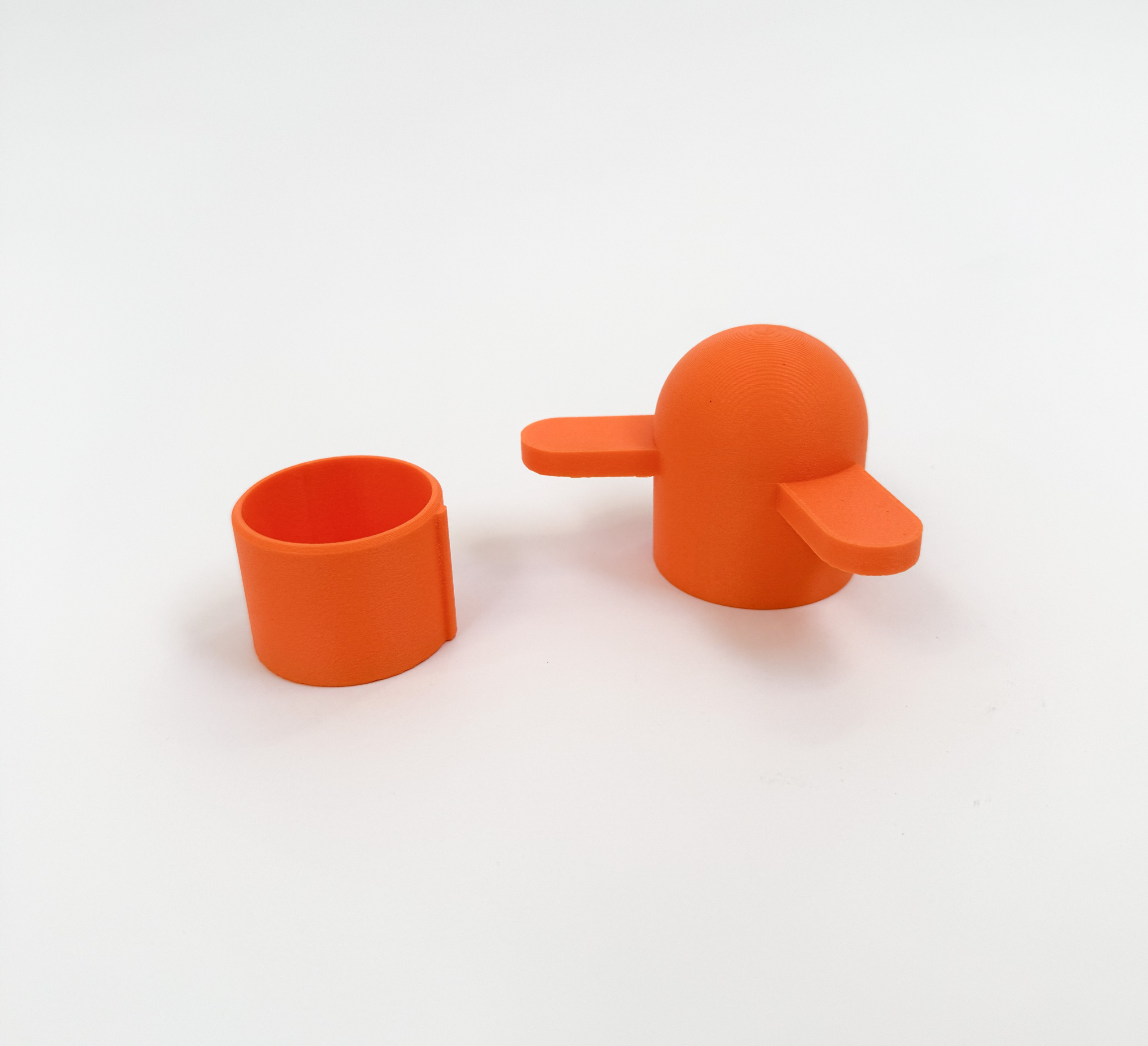
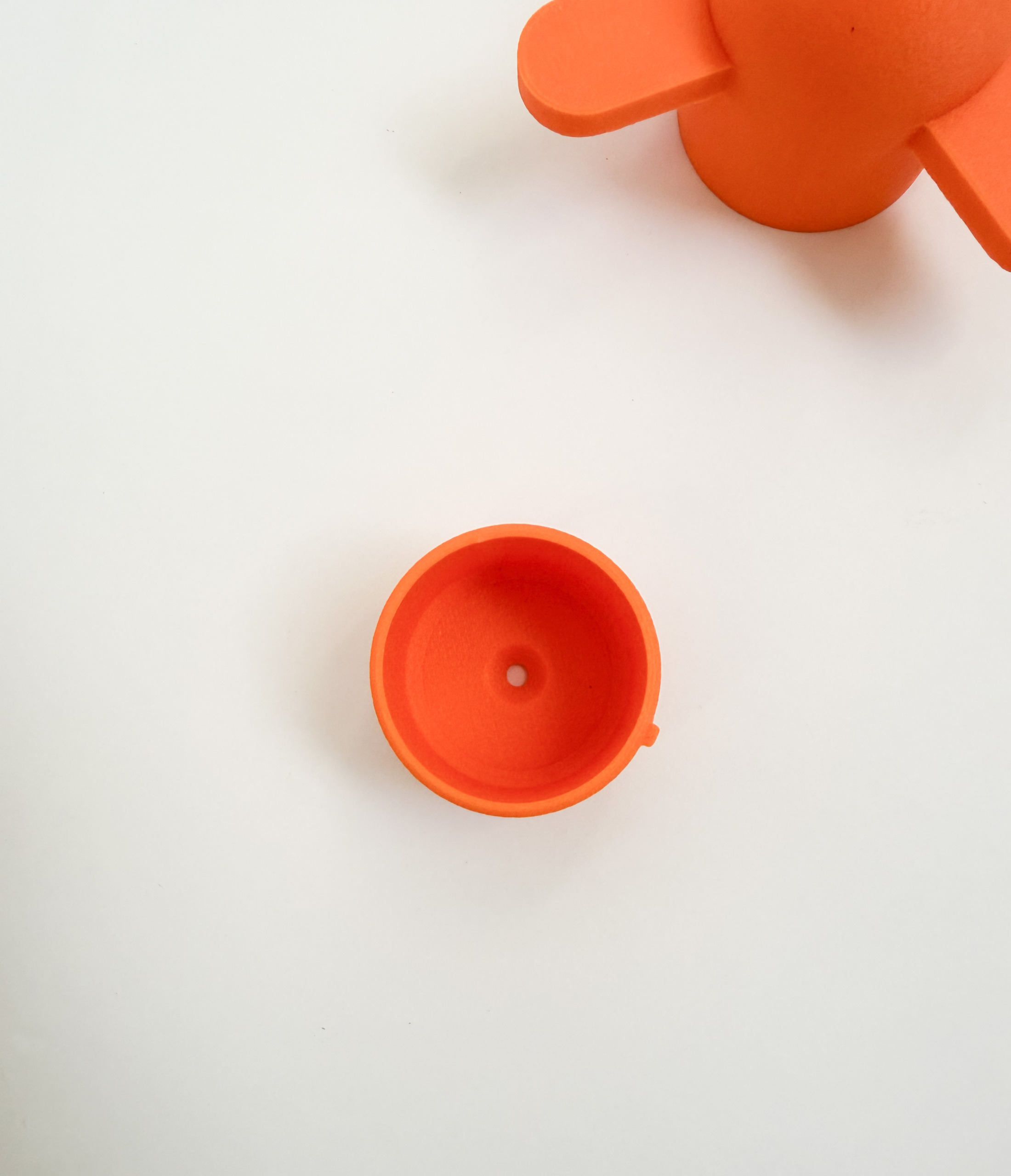
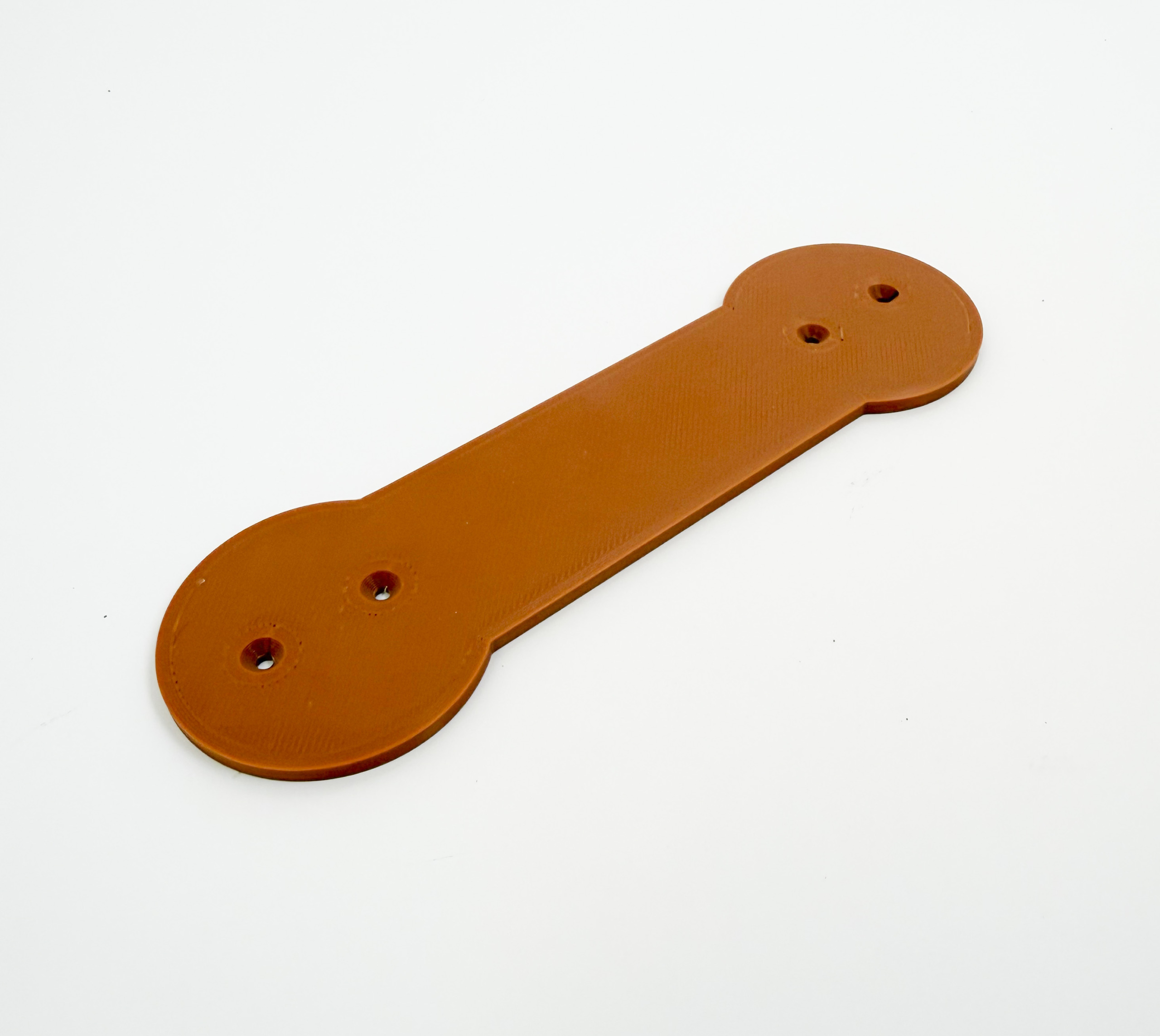
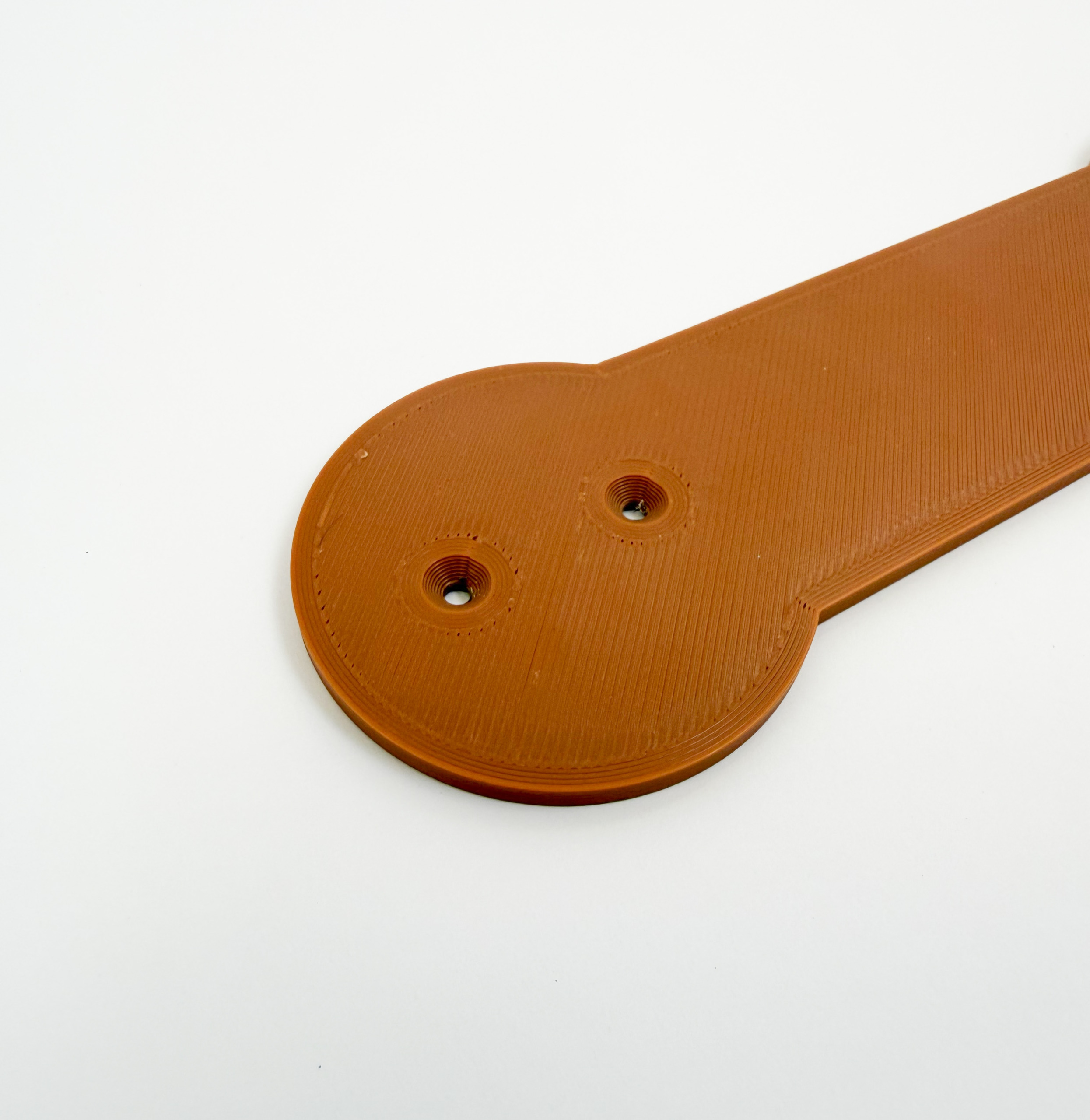
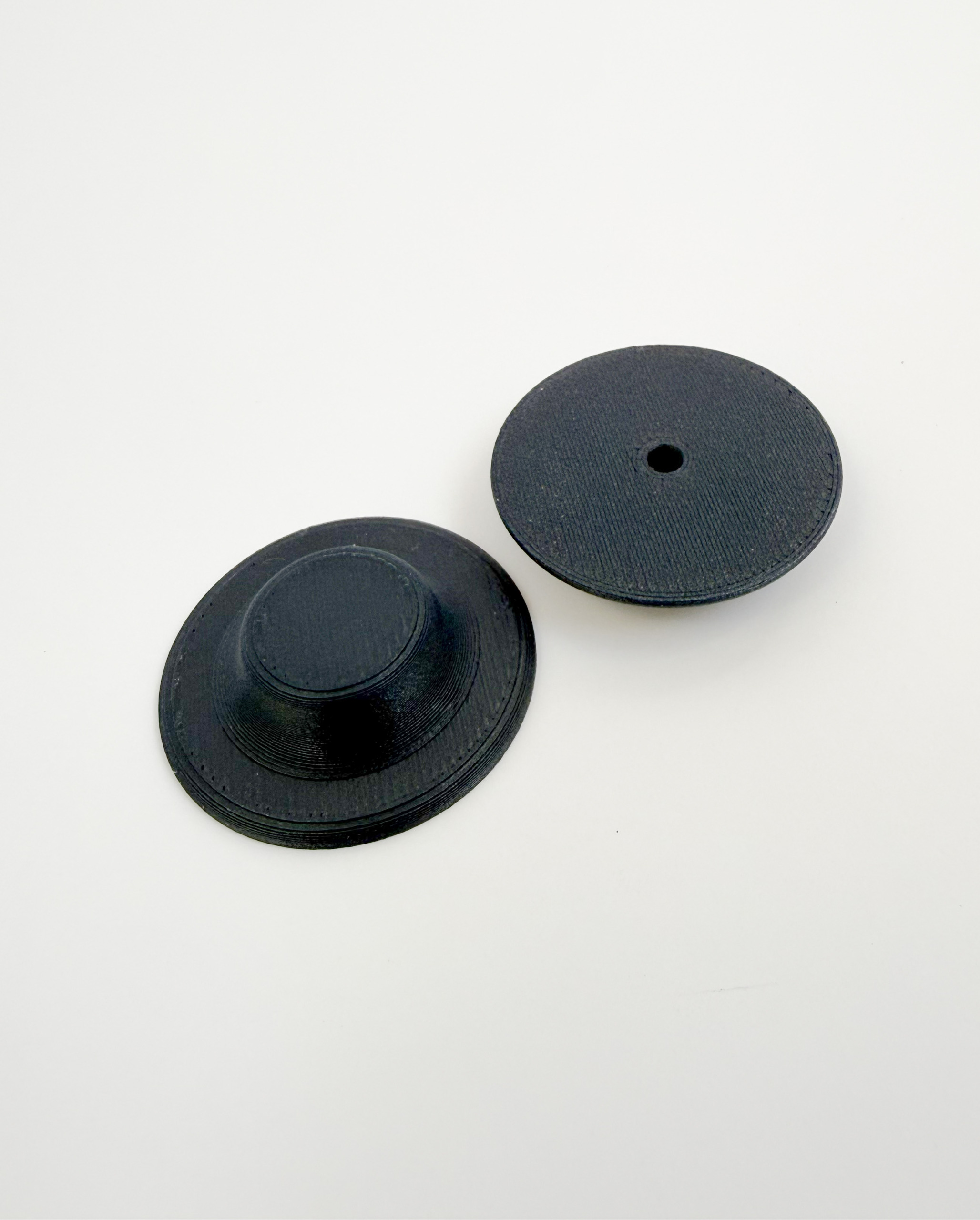
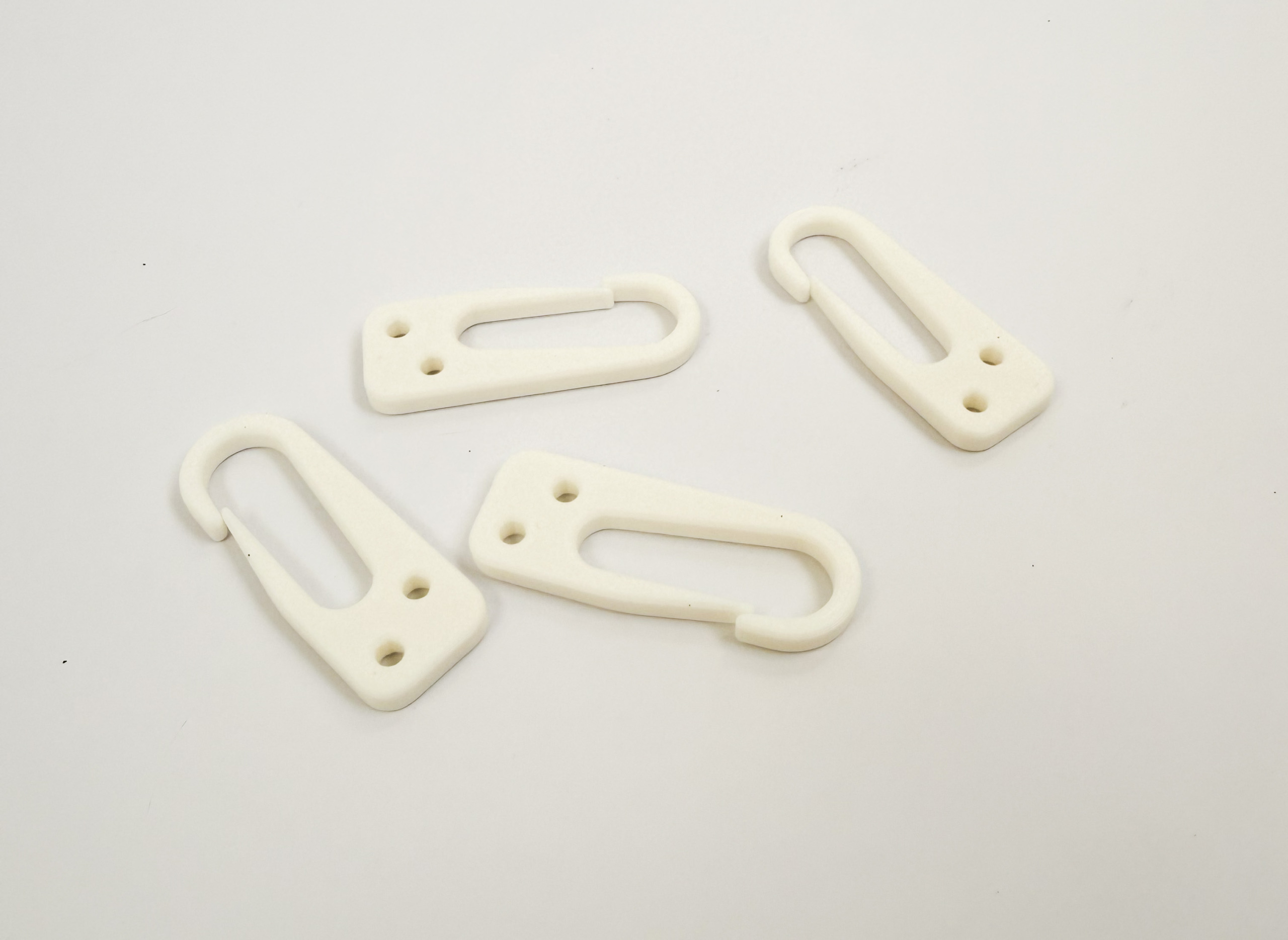
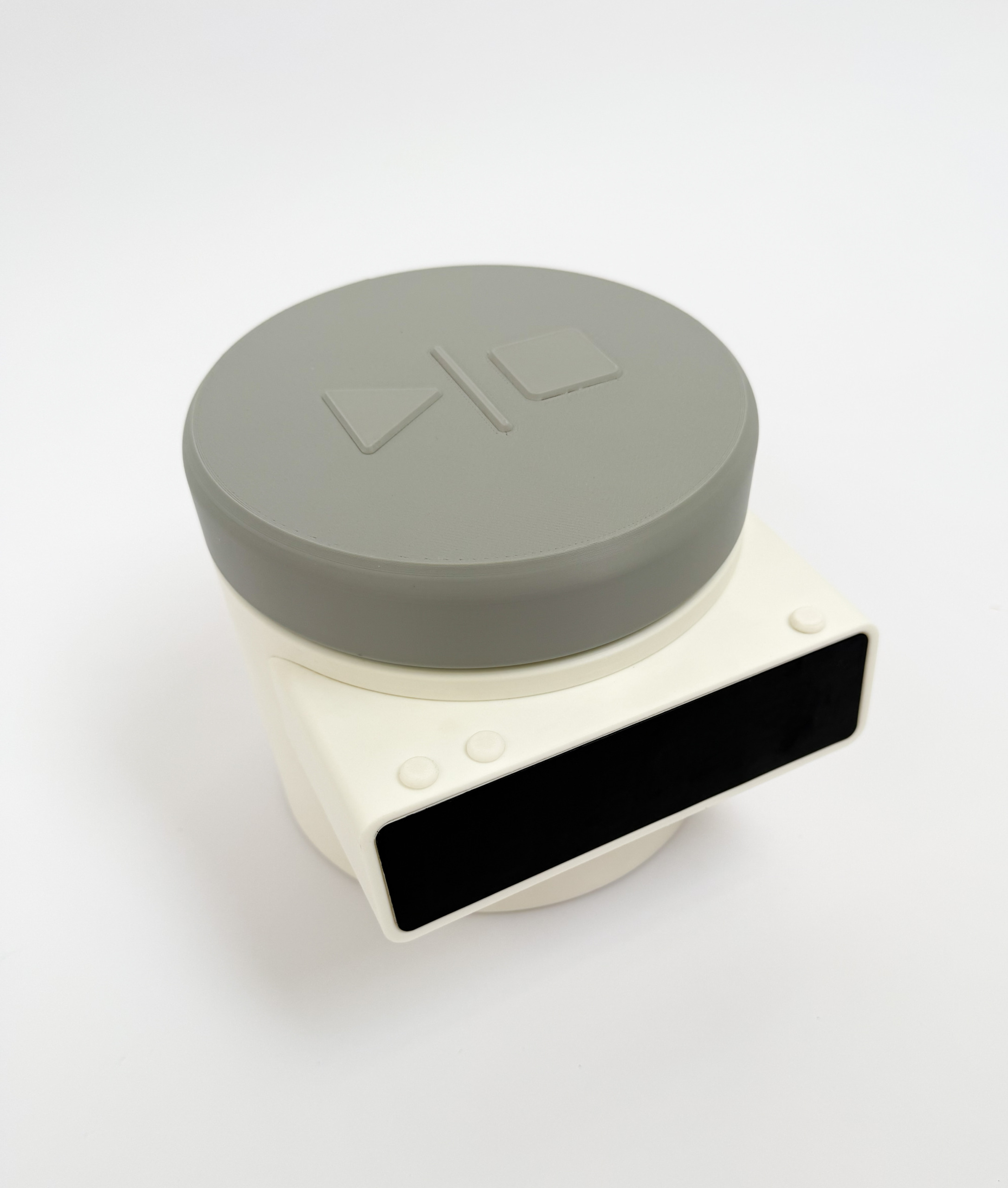
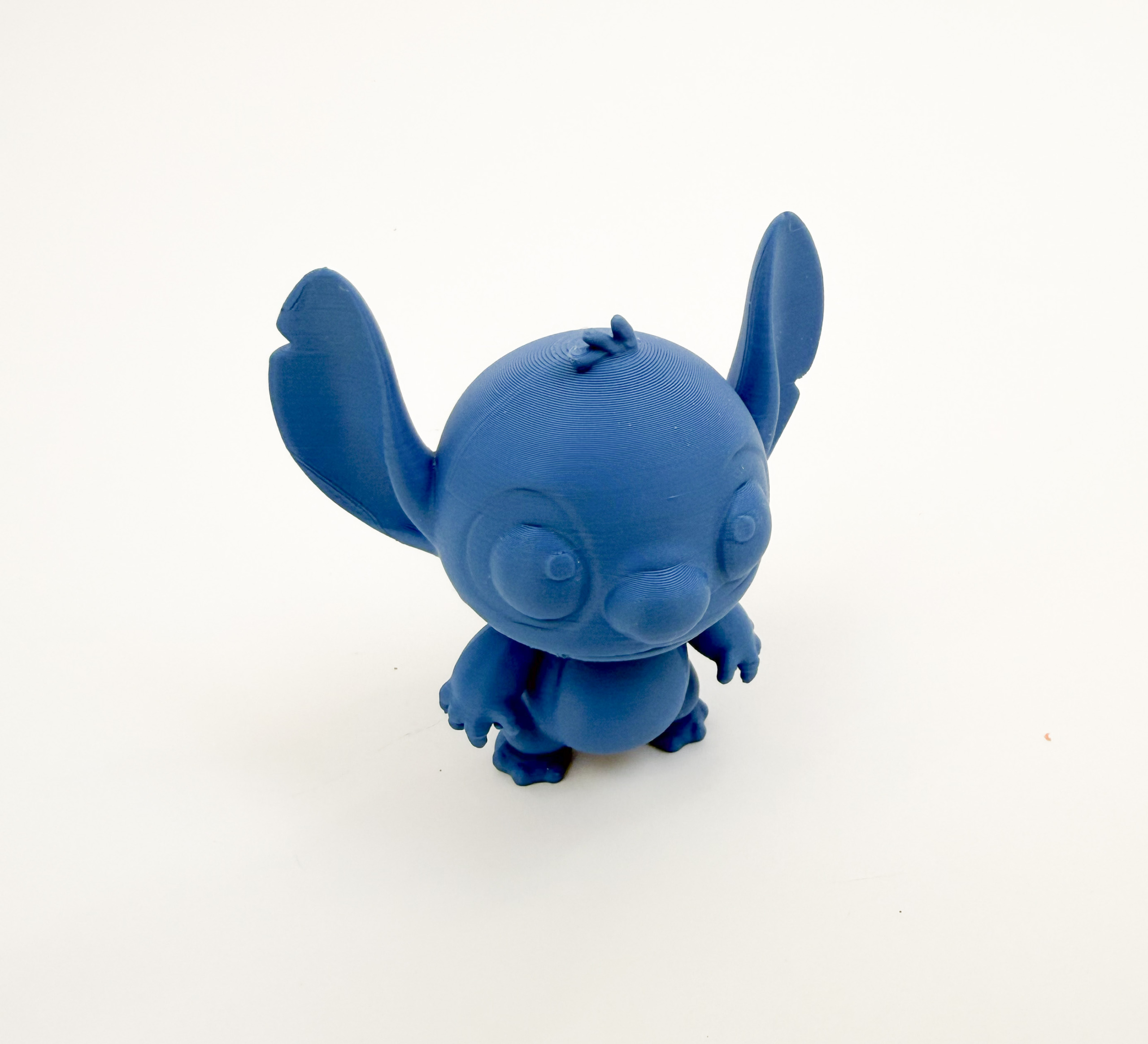
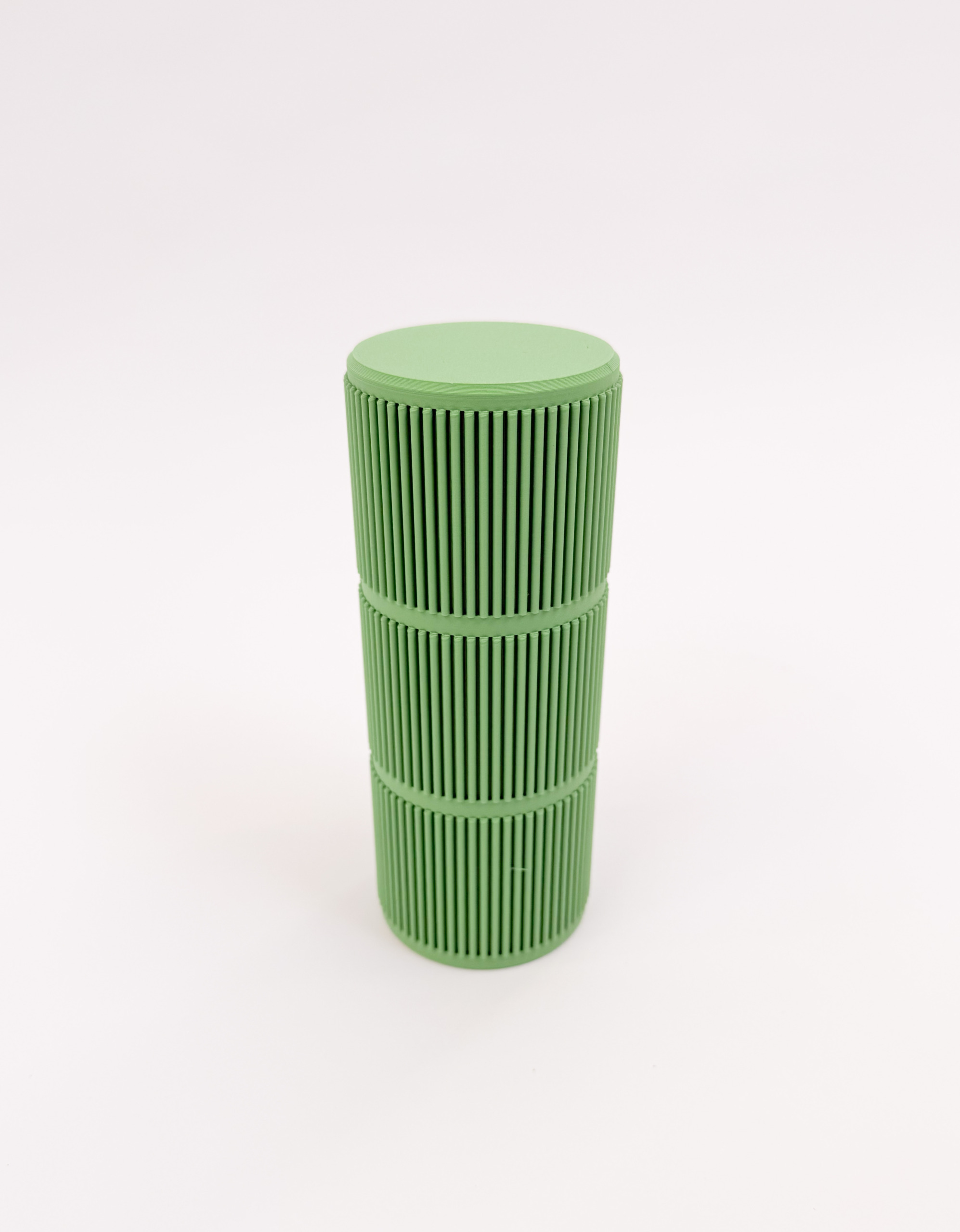
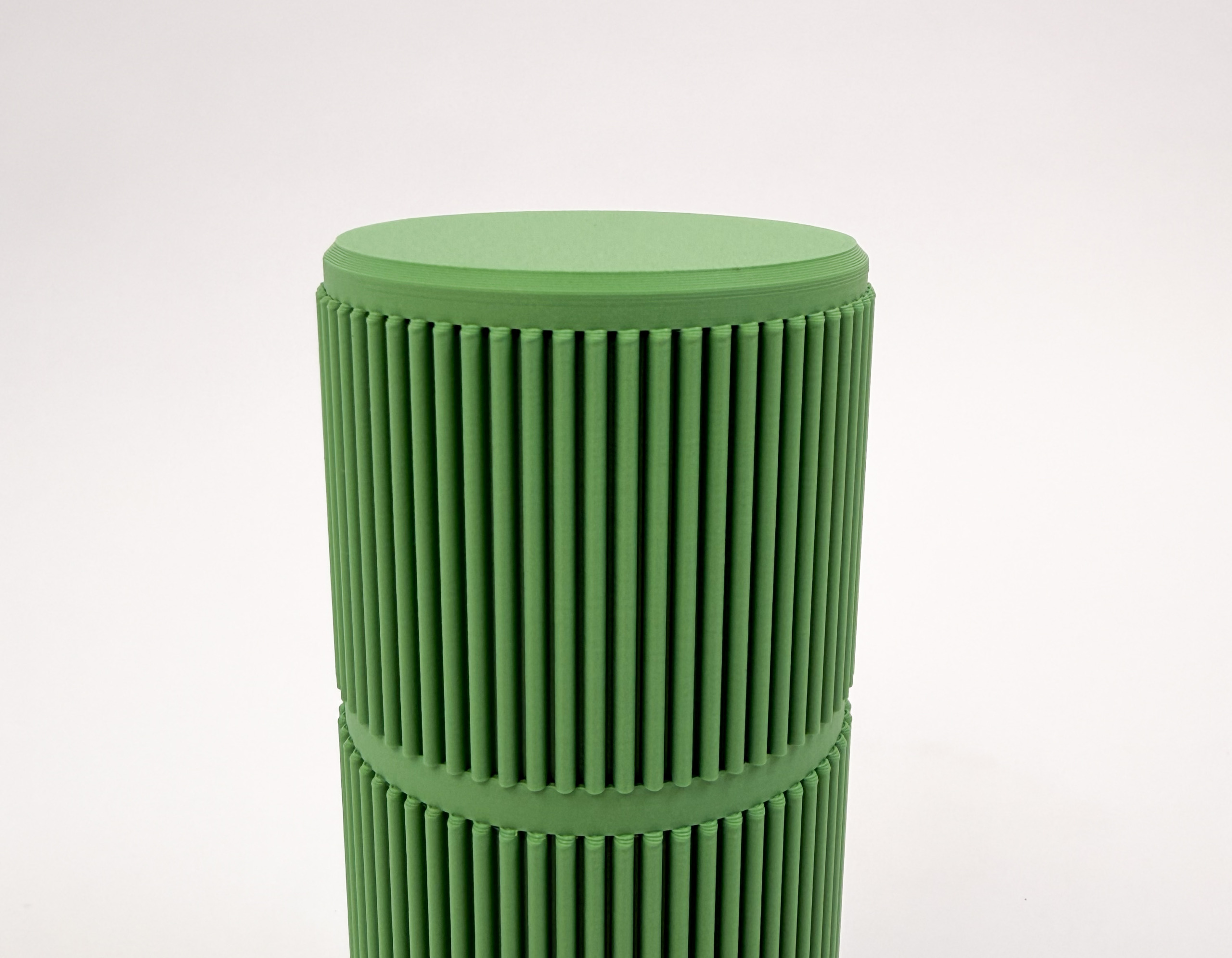
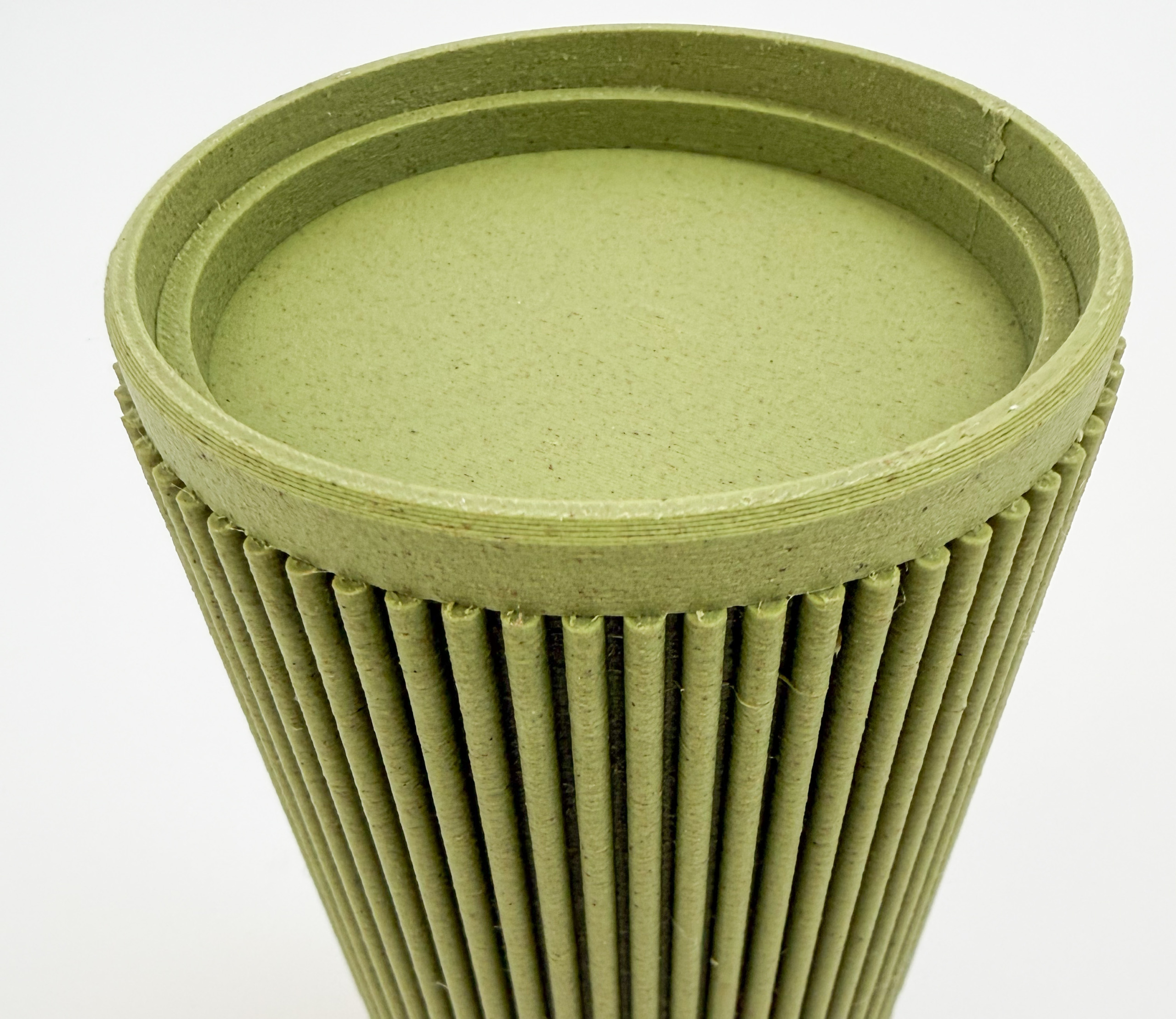
3D Printing Samples
A Brief Guide to FDM 3D Printing
Below you’ll find essential information about the materials used in 3D printing, their typical applications and available post-processing options.
In FDM (Fused Deposition Modelling) technology, models are created by depositing successive layers of softened thermoplastic material. The properties of the finished part depend not only on the material selected, but also on the model’s geometry, print orientation, process parameters and the way it is manufactured.nia.
3D Printing Materials
PLA and Its Variants
PLA is one of the most widely used materials in 3D printing. It is easy to print with, offers high dimensional accuracy and reproduces even fine details very well. It is relatively rigid, but less resistant to impact and elevated temperatures. When exposed to heat, it can begin to deform at temperatures of around 45–50°C.
PLA is ideal for decorative models, figurines, architectural models, display items, visual prototypes and enclosures that are not exposed to elevated temperatures.
There are also numerous PLA variants that change the appearance or selected properties of the printed part, including:
- PLA Matte – a matt surface that reduces reflections and makes minor surface imperfections less visible.
- PLA Silk / Glossy PLA Silk / Glossy
- PLA Metallic – filamenty z dodatkami nadającymi powierzchni metaliczny wygląd.
- PLA Glow in the Dark – filaments containing additives that give the surface a metallic appearance.
- PLA Gradient / Multicolour – filaments that change colour along their length, allowing smooth colour transitions.
- PLA Wood – a material containing fillers that give it a wood-like appearance.
Special-effect PLA variants are primarily intended for decorative applications. Additives can affect strength, flexibility and printing characteristics, so their properties should not automatically be assumed to match those of standard PLA.
PET-G
PET-G is a versatile material that combines good mechanical strength with impact resistance and relatively easy printing. It is less rigid than PLA, but more resistant to cracking and deformation under load.
It also offers greater temperature resistance than standard PLA, as well as good chemical resistance. It is suitable for producing enclosures, covers, brackets, containers, mounting components and functional parts.
It is a good choice for components that need to withstand everyday use better than parts made from standard PLA.
PET-G CF
PET-G reinforced with carbon fibres. Compared with standard PET-G, it is stiffer, has a more matt surface and generally offers better dimensional stability.
It is used for technical enclosures, brackets, assembly jigs, structural components and functional parts where reduced flexing and an attractive surface finish are important.
Podobnie jak w innych materiałach CF, większa sztywność nie musi oznaczać większej udarności.
PA
PA is the general designation for polyamides, a group of plastics also commonly known as nylon. Depending on the specific type, such as PA-6 or PA-12, their flexibility, mechanical resistance, moisture absorption and operating temperature can vary.
Polyamides are used to manufacture technical components, moving parts, guides, bushes, gears and components subject to wear.
Their exact properties depend on the type of polyamide and the composition of the specific filament.
PA-6
PA-6, or polyamide 6 (nylon), is a durable engineering material with good resistance to wear, impact and repeated loading. It is more flexible than most of the materials described above, making it well suited to components subjected to mechanical stress during operation.
It is used for manufacturing gears, guides, moving components, bushes, machine parts and technical assemblies.
Polyamide is hygroscopic, meaning that it readily absorbs moisture from the surrounding environment. It requires proper drying before printing and must be stored in dry conditions.
PA-6 CF
PA-6 reinforced with carbon fibres. It combines the properties of polyamide with increased stiffness and dimensional stability provided by the fibre reinforcement.
It is used for manufacturing durable technical components, brackets, supports, production jigs and structural parts. It is a good choice where greater stiffness is required than standard PA-6 can provide.
PLA Tough+ and Similar Materials
An improved variant of PLA, developed to provide greater impact resistance and resistance to cracking. Compared with standard PLA, it is better able to withstand dynamic loads and mechanical damage.
It combines the ease of printing associated with PLA with properties that make it more suitable for functional parts. It can be used for brackets, enclosures, mounting components, functional prototypes and parts subject to moderate loads.
PLA-CF
PLA reinforced with carbon fibres (Carbon Fibre). The addition of fibres increases the stiffness of the material, reduces the visibility of layer lines and gives the surface a distinctive matt finish.
This material is well suited to rigid enclosures, lightly loaded structural components, jigs, brackets and technical models where dimensional stability and surface appearance are important. Carbon fibres increase stiffness, but do not automatically provide greater impact resistance. CF materials can be more brittle than their unreinforced counterparts.
ABS
ABS is a popular, durable engineering plastic with good impact resistance and resistance to elevated temperatures. It is more demanding to print than PLA and PET-G, as it tends to shrink and warp during cooling.
It is suitable for enclosures, structural components, functional parts, brackets and functional prototypes. Another advantage is that its surface can be smoothed using acetone.
ABS is a good choice for parts that will operate at higher temperatures than typical PLA or PET-G prints can withstand.
ABS-GF
ABS reinforced with glass fibres (Glass Fibre). The fibres increase the stiffness and dimensional stability of the material, while reducing its tendency to deform.
It is used for rigid enclosures, structural components, brackets and technical parts where geometric stability and resistance to mechanical loads are important.
ABS-CF
ABS reinforced with carbon fibres. It offers increased stiffness, good dimensional stability and a matt surface with a technical appearance.
It is intended for enclosures, brackets, jigs, mounting components and structural parts. It is particularly useful where stiffness and reduced deformation are important.
ASA
ASA is a material with properties similar to ABS, but with significantly better resistance to UV radiation and weathering.
This makes it well suited to outdoor applications, such as equipment enclosures, covers, brackets, mounting components and parts exposed to sunlight and changing weather conditions.
Like ABS, it requires suitable printing conditions to minimise shrinkage and warping.
PPS-CF
PPS-CF is an advanced engineering material based on polyphenylene sulphide (PPS), reinforced with carbon fibres. It offers very high temperature resistance, good dimensional stability and chemical resistance.
It is intended for demanding technical and industrial applications where standard plastics cannot provide sufficient thermal or chemical resistance.
It can be used to manufacture machine components, technical enclosures, jigs and parts operating at elevated temperatures.
This is a specialist material that requires a suitably equipped 3D printer, high processing temperatures and proper filament preparation.