Model-making | 3D printing | CNC milling
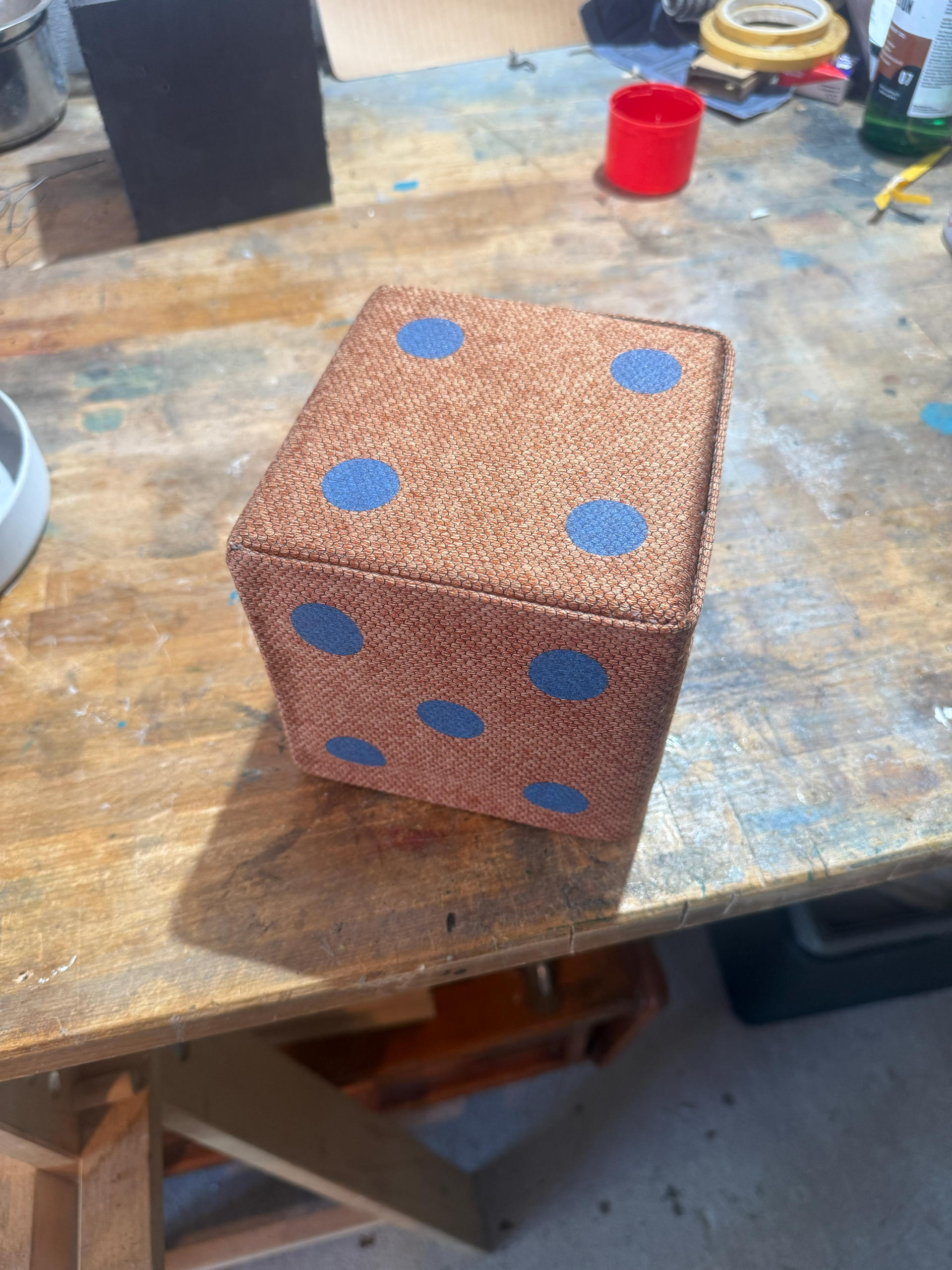
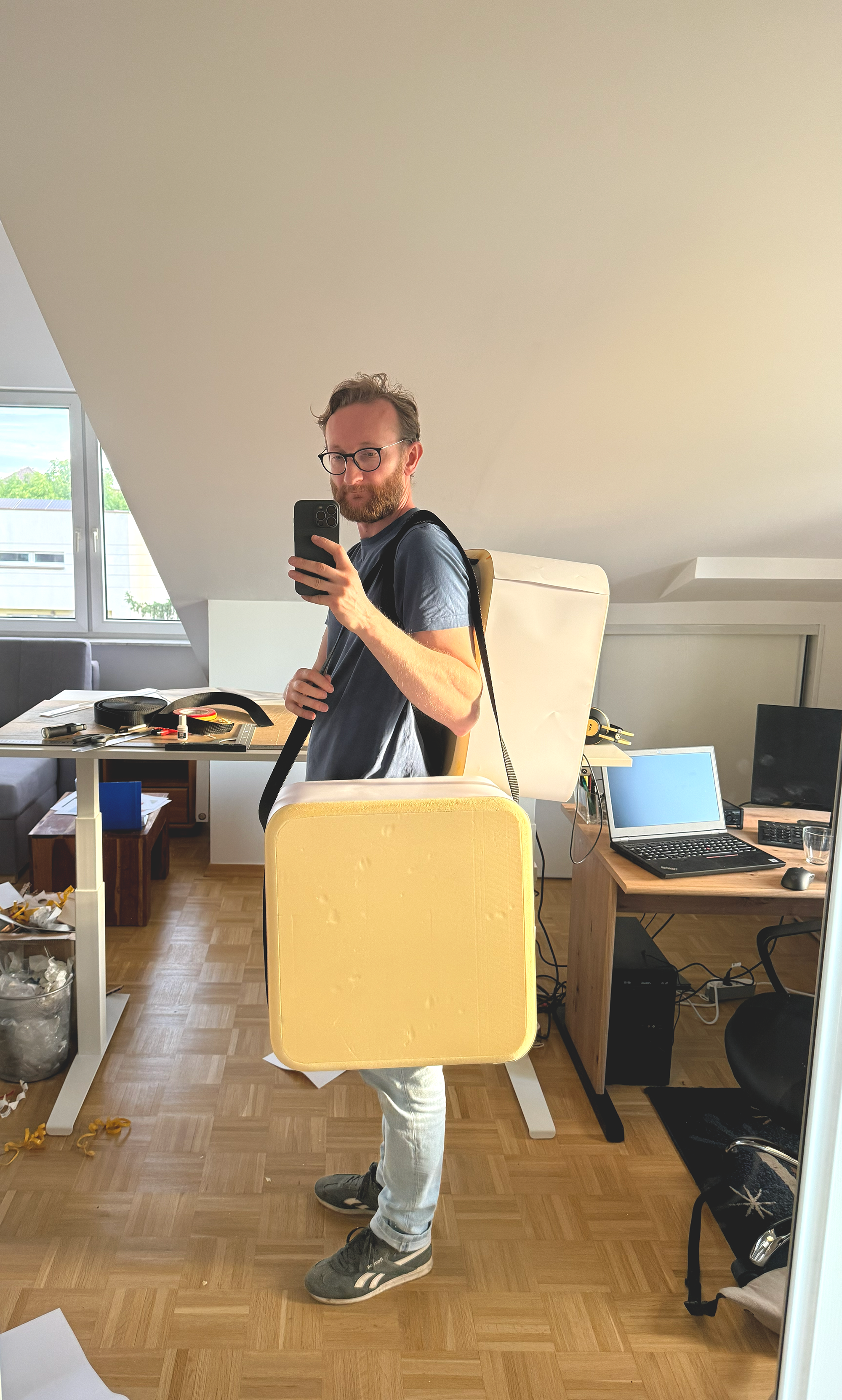
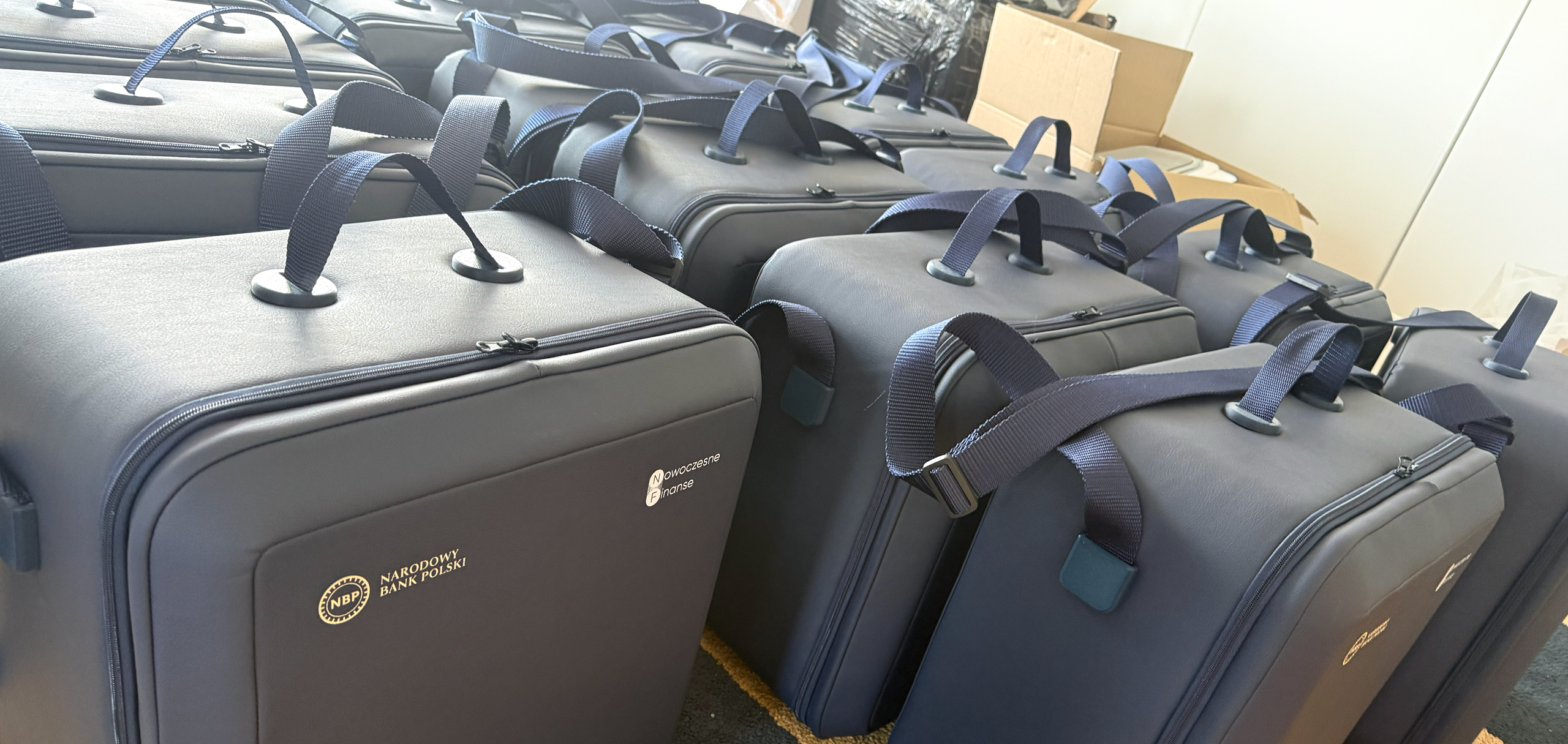
I see design as a process in which an idea should meet the real world as early as possible. A model, prototype or mock-up makes it possible to test things that cannot always be assessed on a computer screen — proportions, construction, ergonomics, functionality and the behaviour of materials.
My own workshop is an important part of the studio. It allows me to move quickly from a digital design to a physical model or prototype, then feed my observations back into the design and develop it further.
Model-making
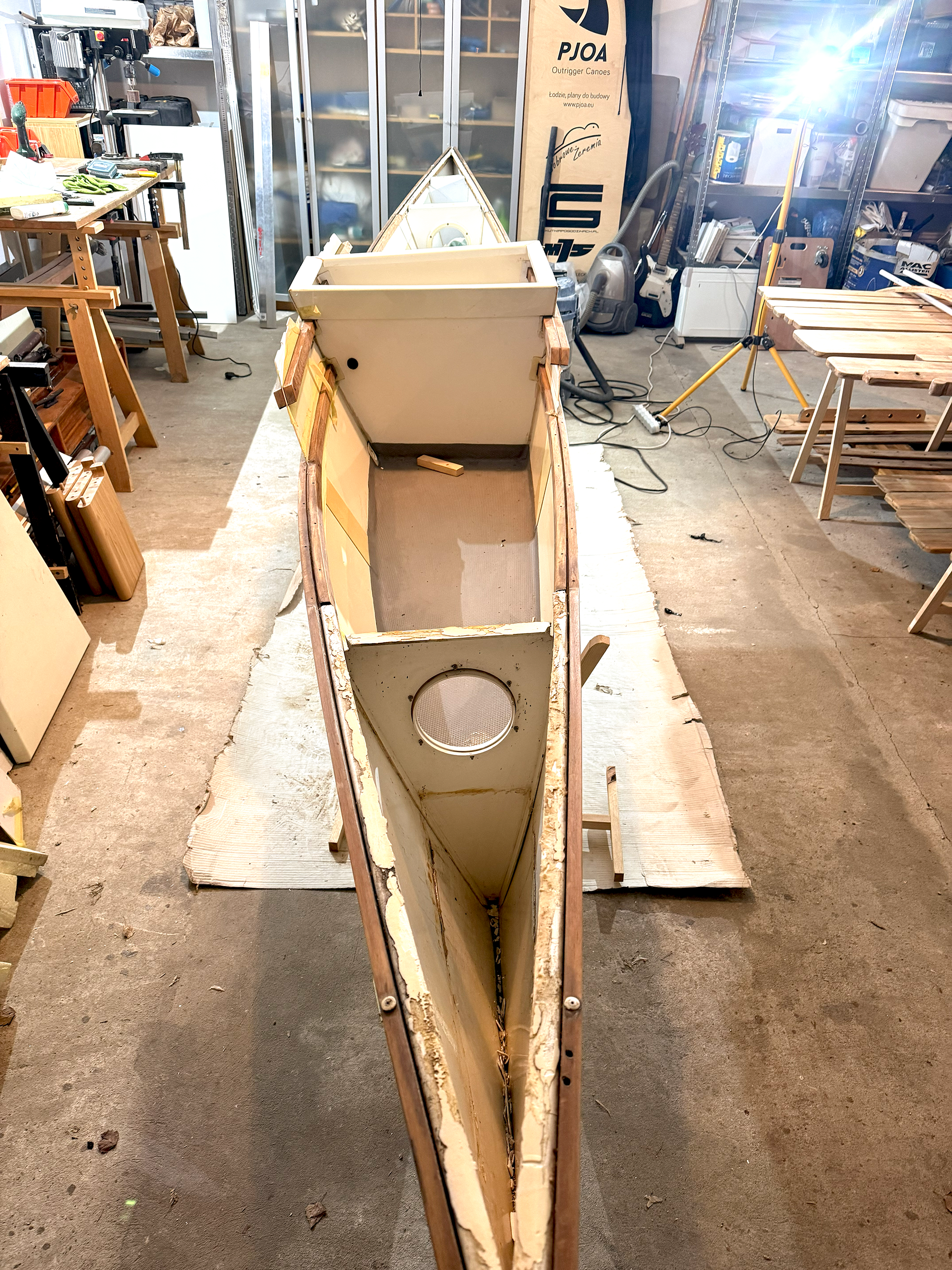
The workshop brings together traditional model-making techniques and modern manufacturing methods.
Depending on the needs of a project, I work with wood, plastics, foams, composite materials and other materials used in model-making and prototyping.
3D printing
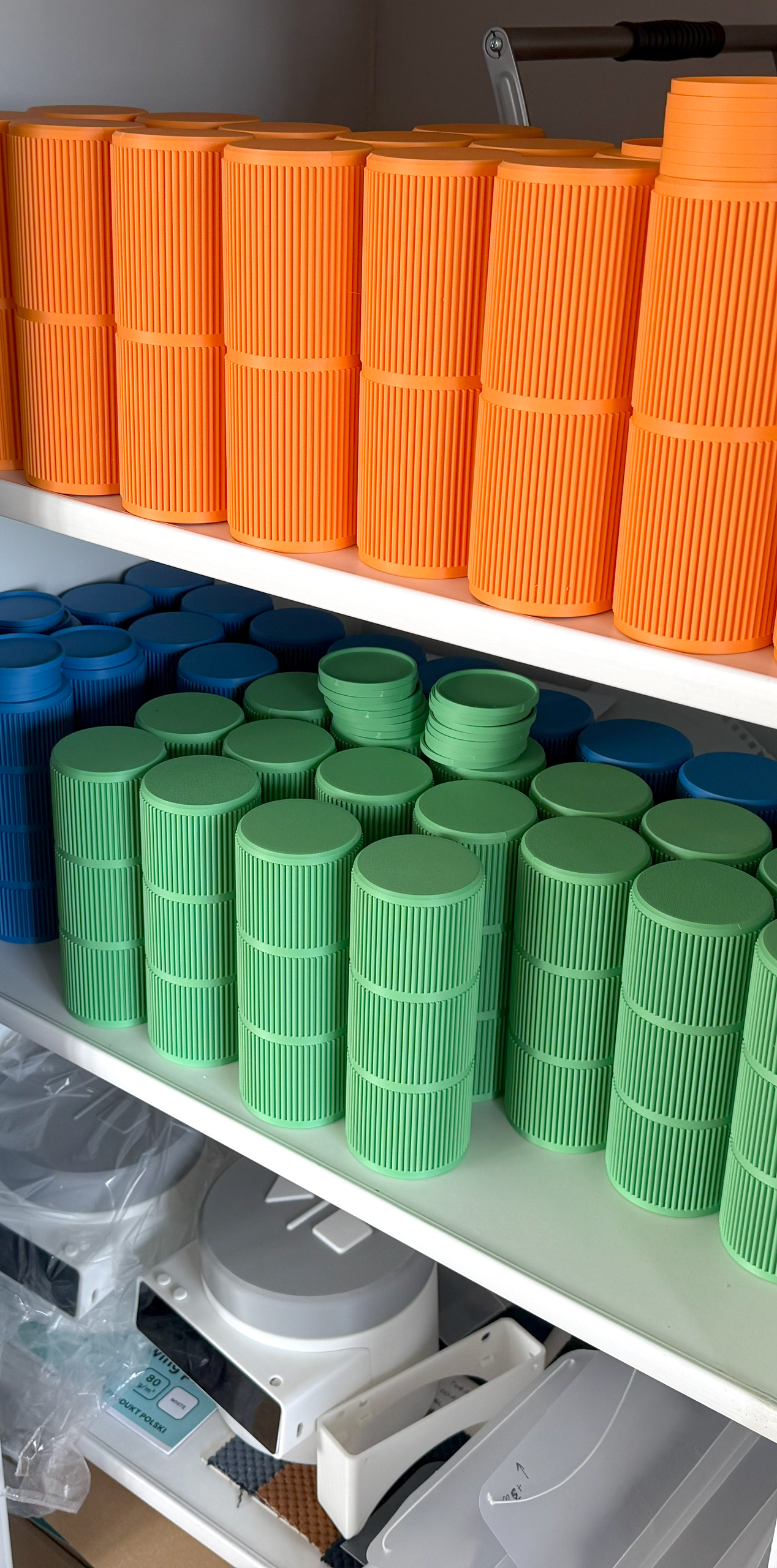
I use FDM 3D printers in the studio to produce models, prototypes, test parts and small batches of designed objects quickly.
3D printing also supports other manufacturing processes. I use it to make jigs, fixtures, handles, assembly components and models required at later stages of a project.
CNC milling
The studio is equipped with a 3-axis CNC milling machine with a working area of 1,300 × 1,300 mm.
It can produce larger structural components, models, moulds, jigs and parts intended for further assembly. I use it for both prototyping and small-batch production.
From prototype to small production run
Combining design, model-making, 3D printing and CNC milling allows me to carry out a substantial part of the process in my own studio. For more complex projects, I work with trusted subcontractors who specialise in specific technologies.
A project does not have to end with technical documentation. In many cases, I can take it from the first sketch through prototyping and testing to the manufacture of the finished object.